External Disks
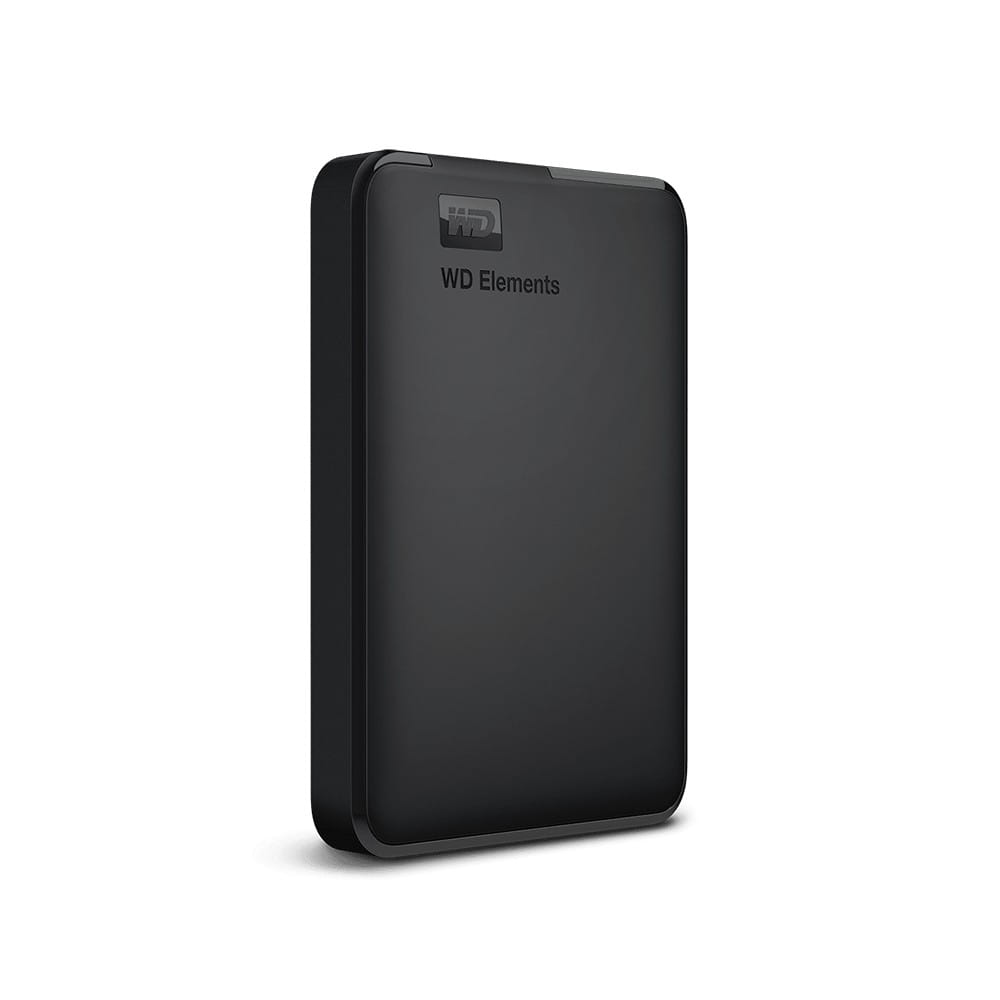
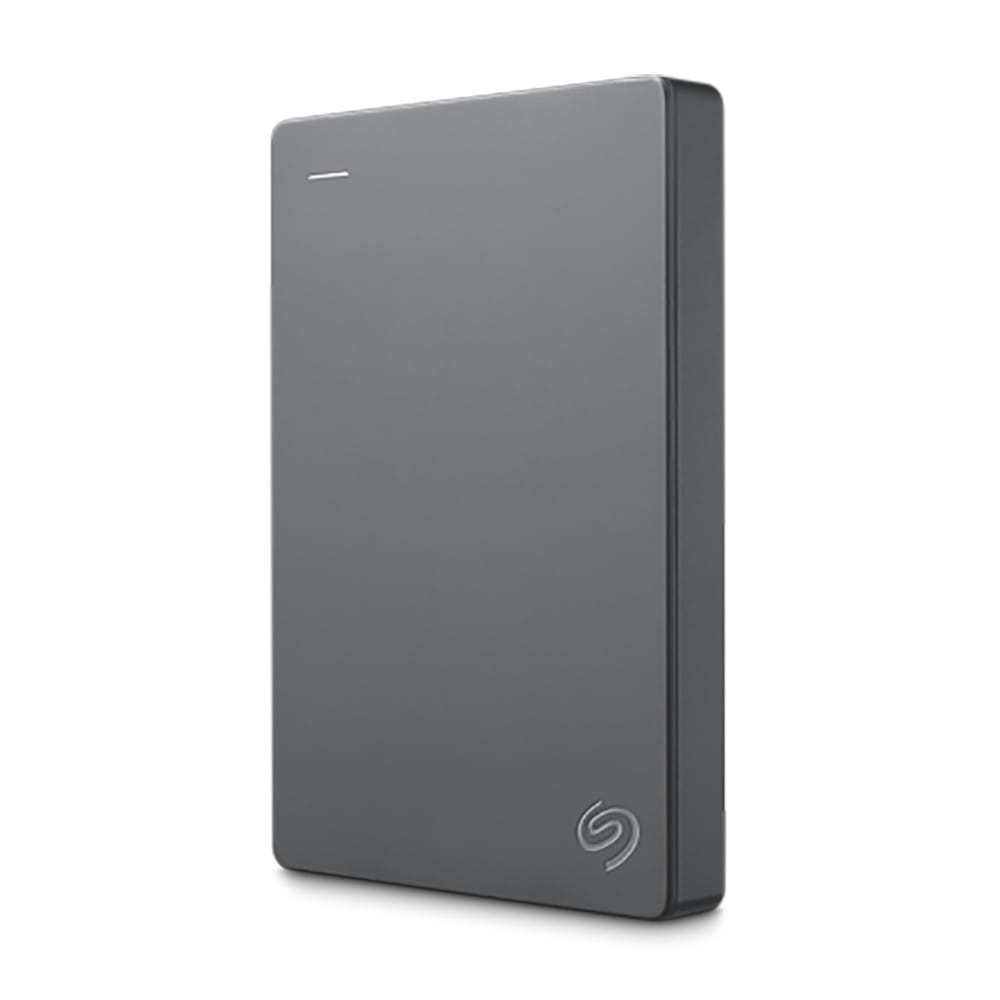

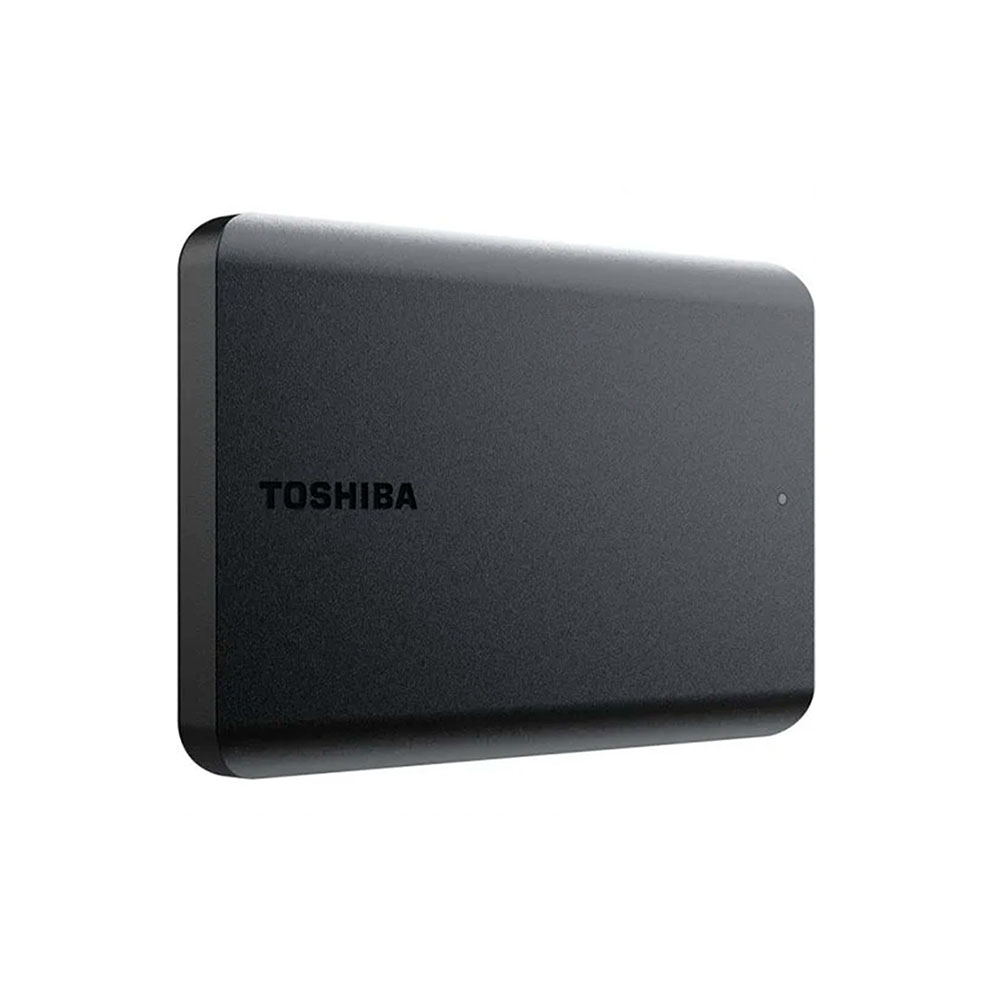
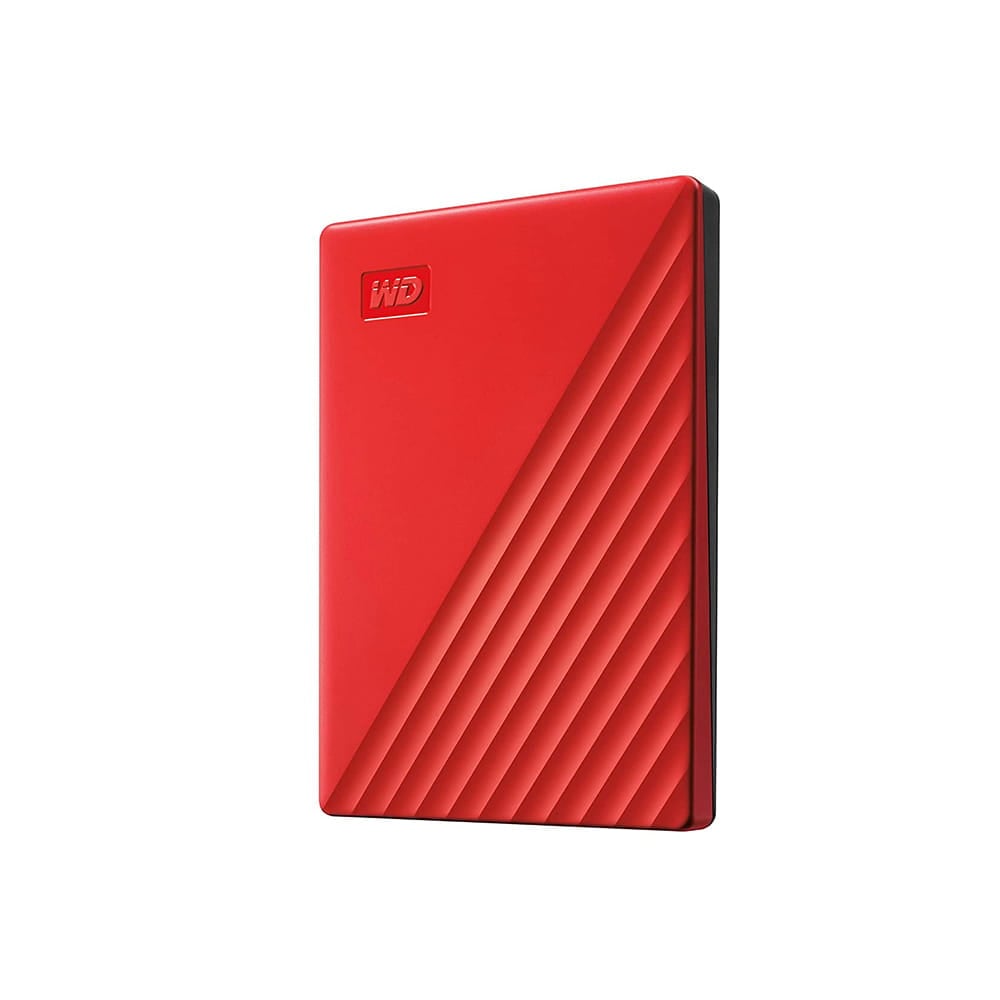
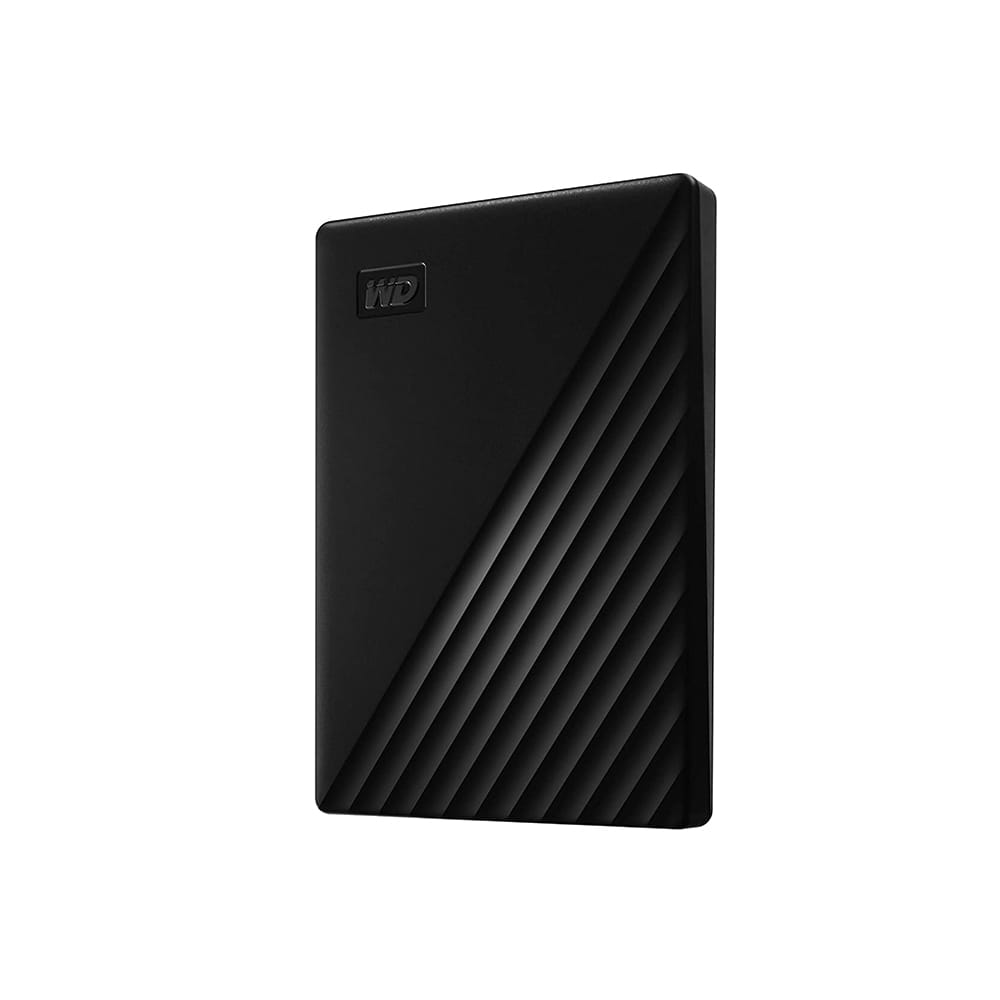
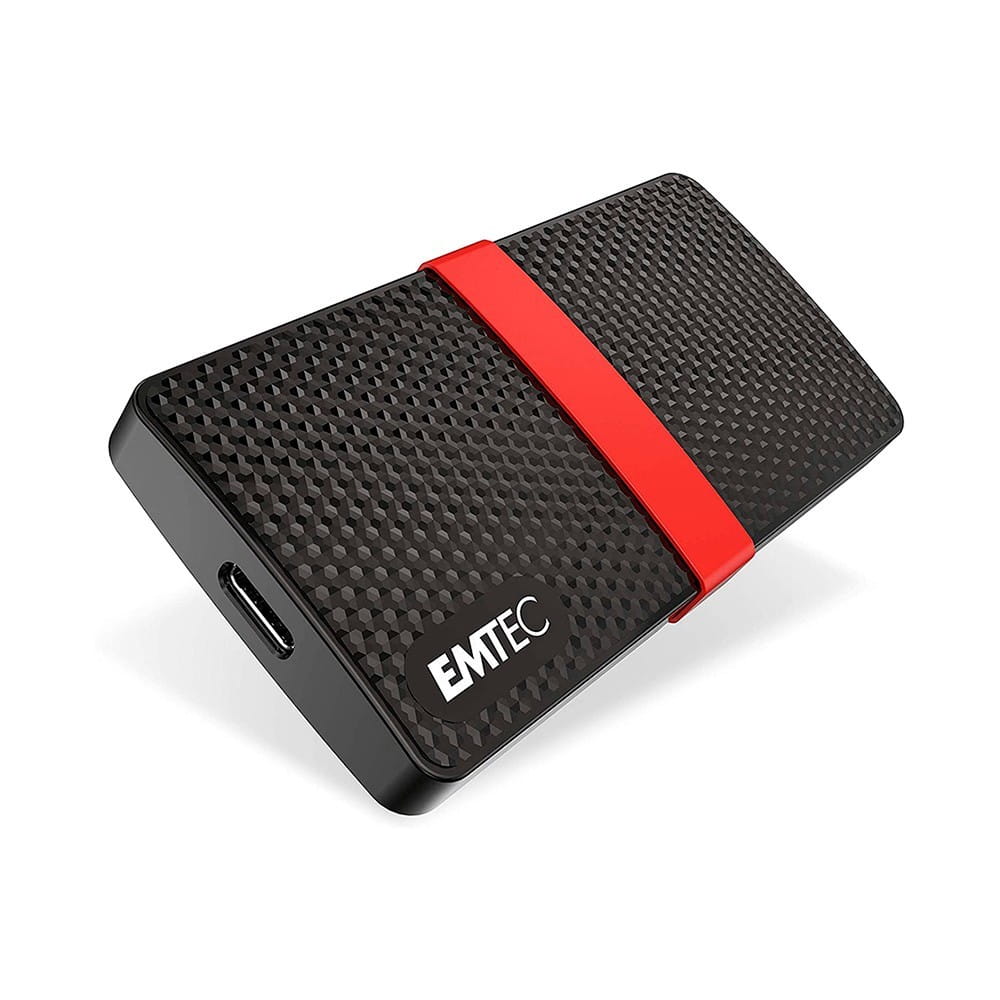
Western Digital/Sandisk
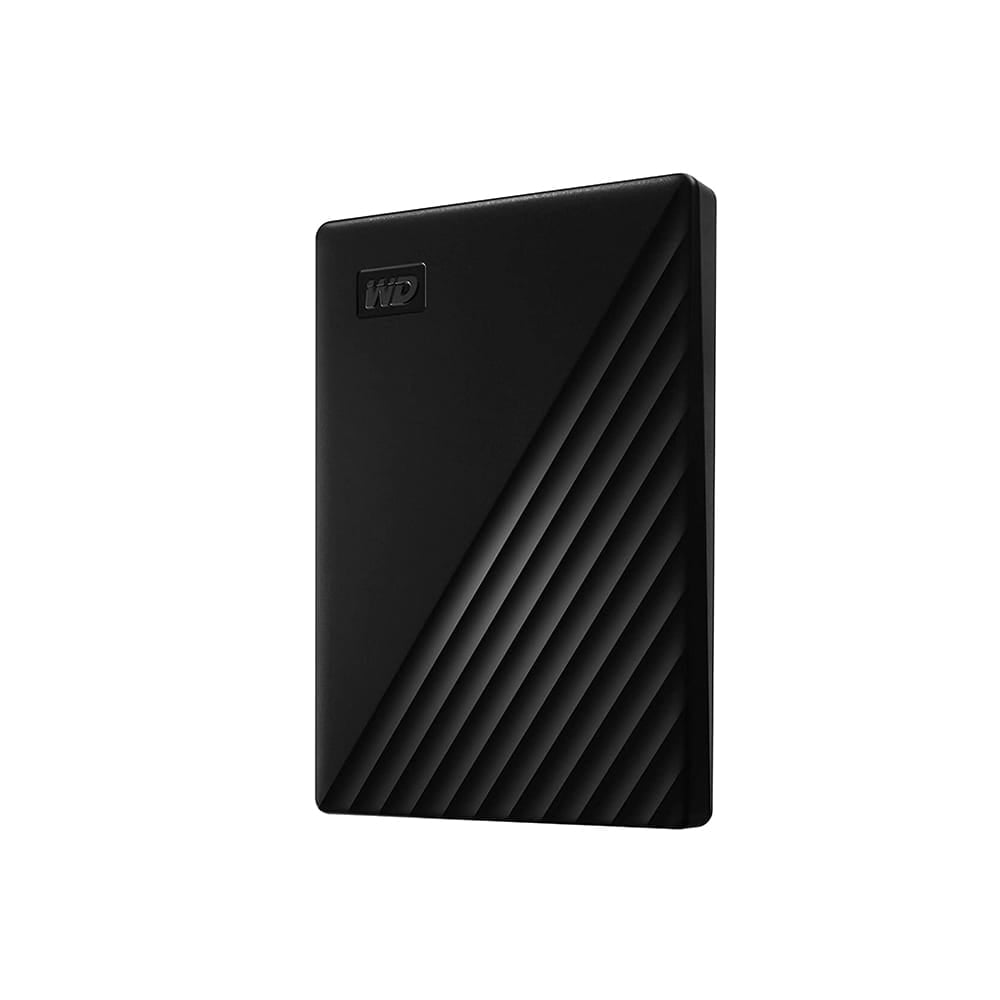
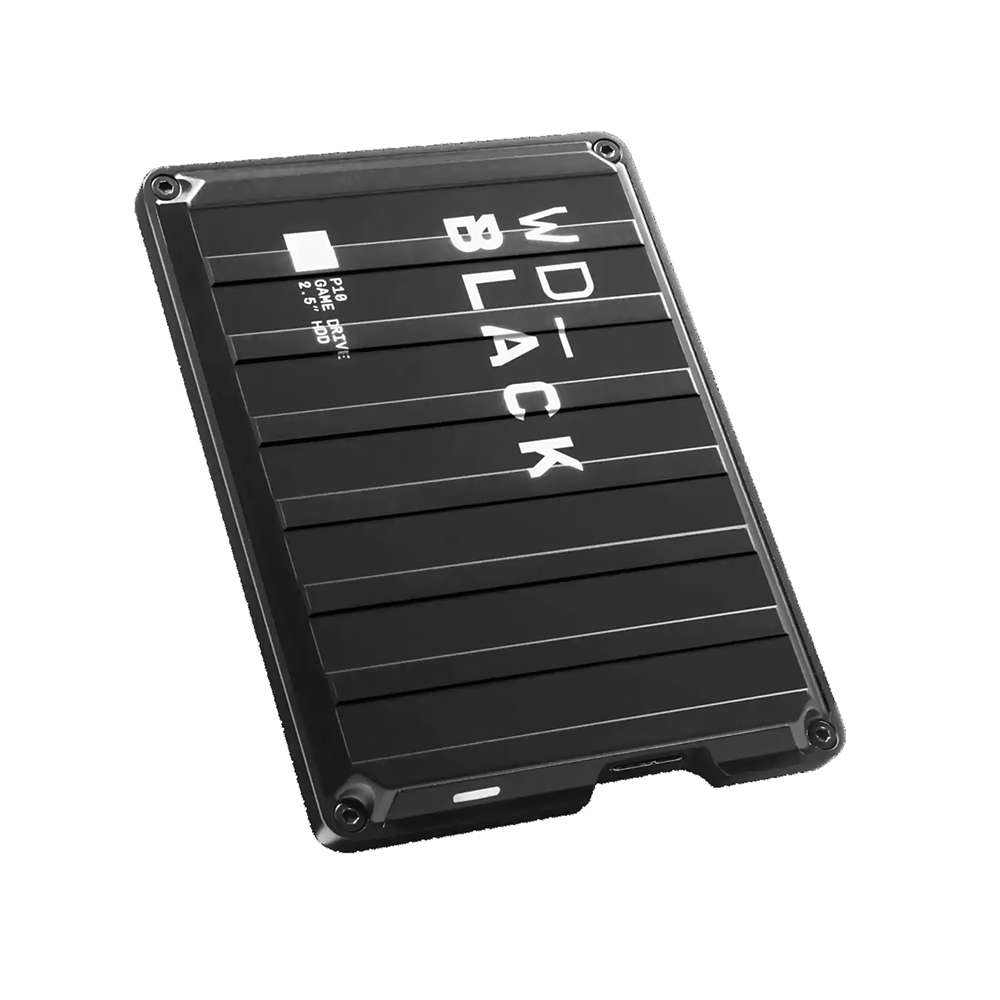
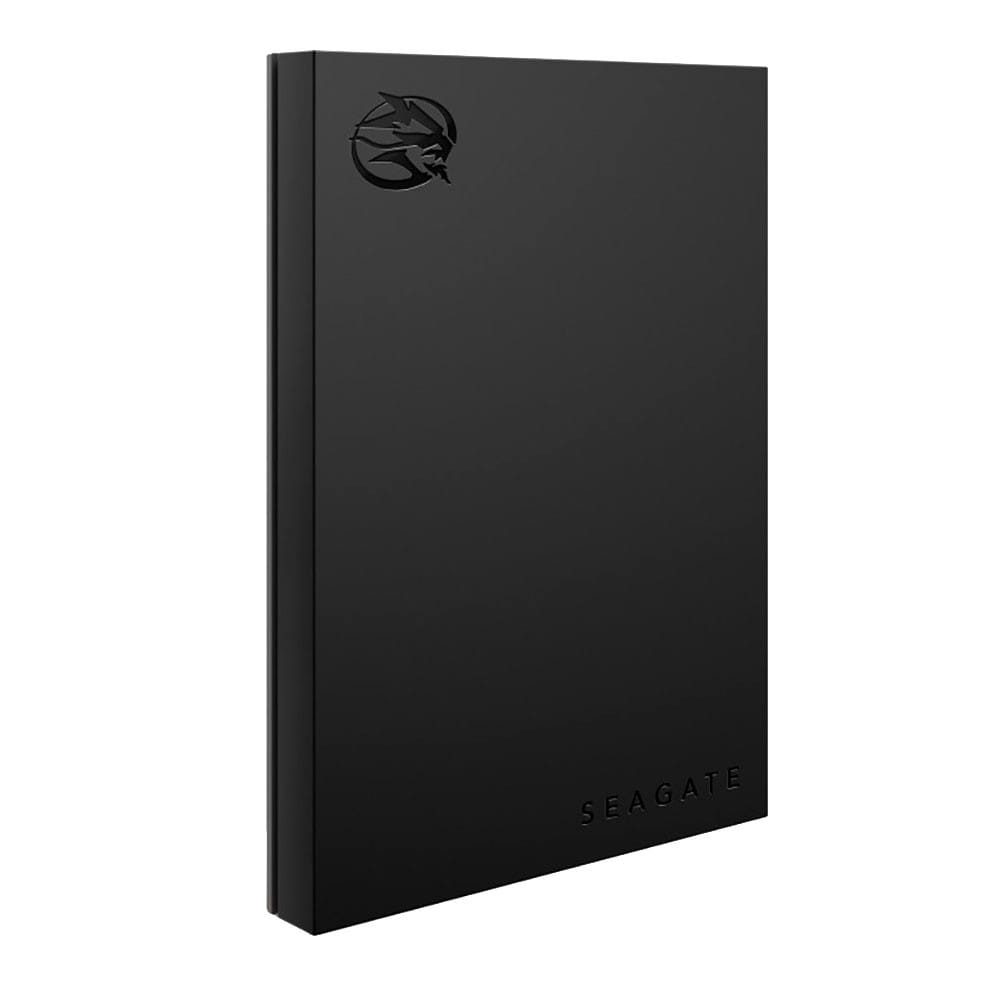
WD Black P10 Game 2Tb USB 3.2 Negro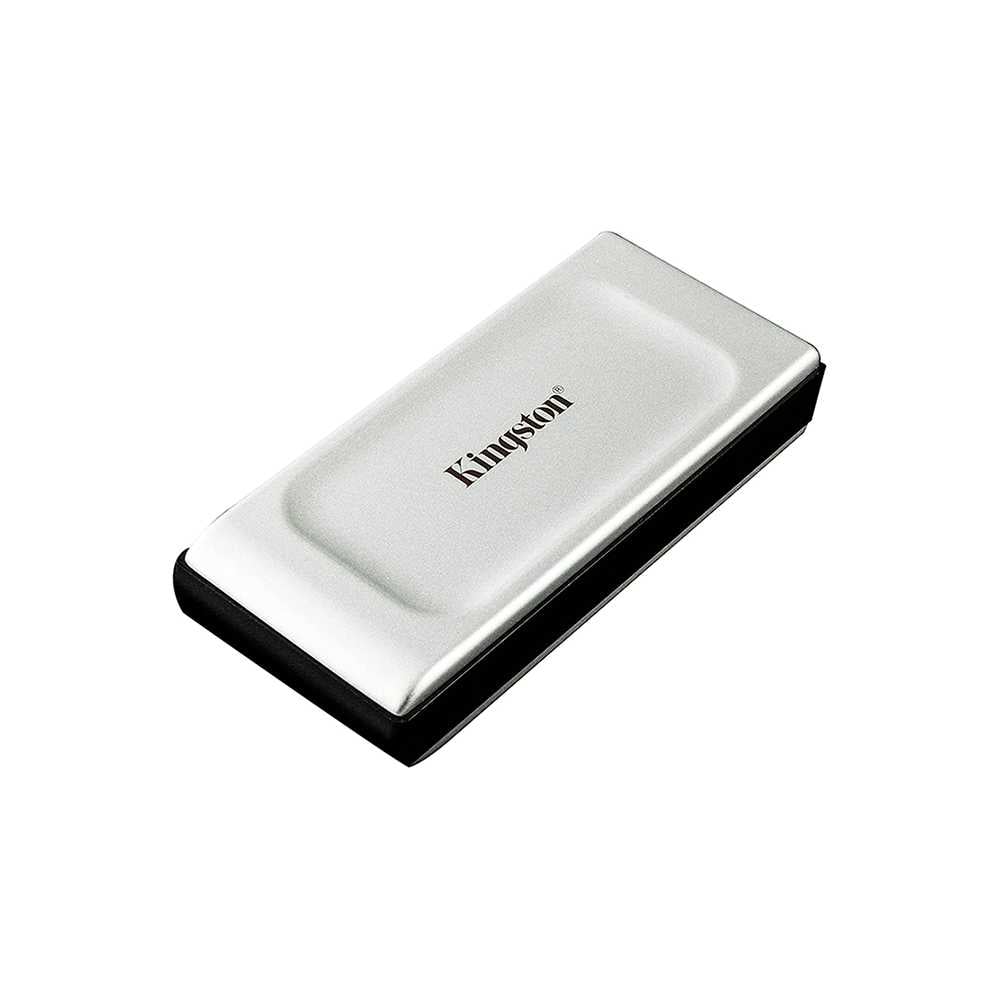
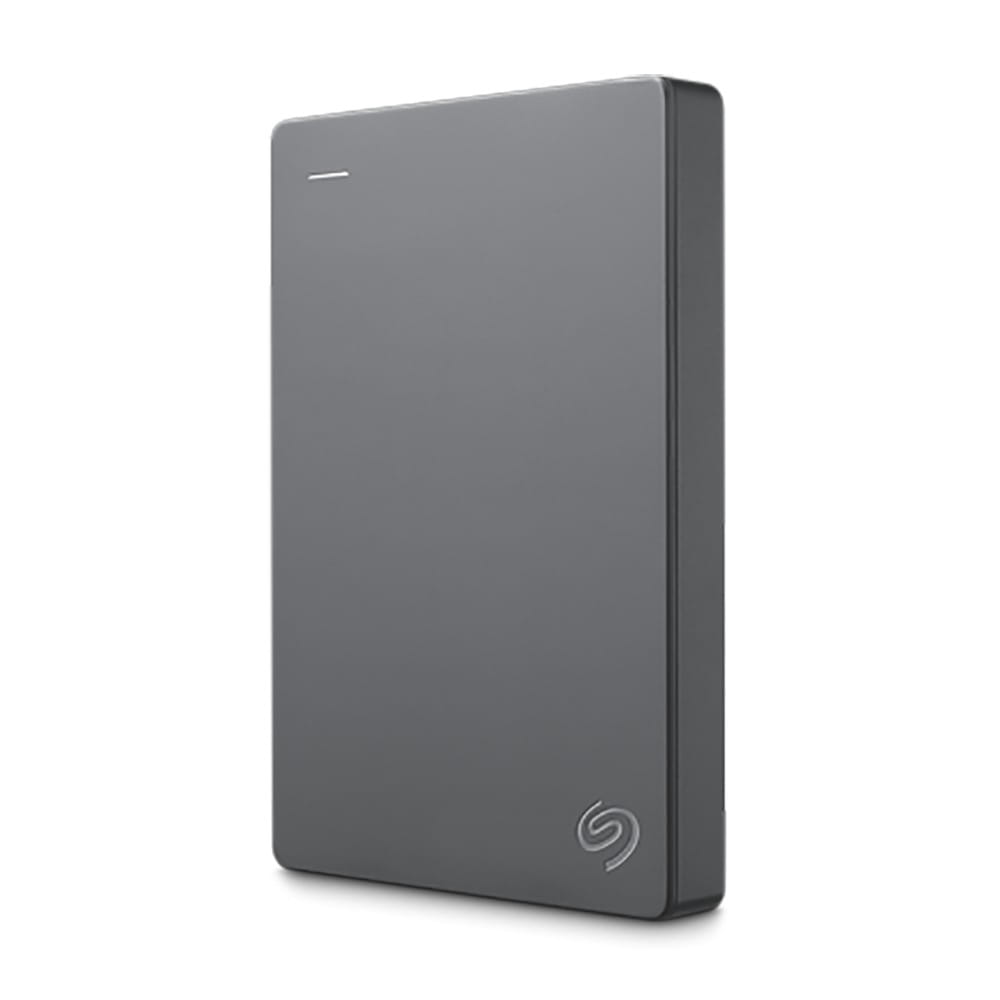
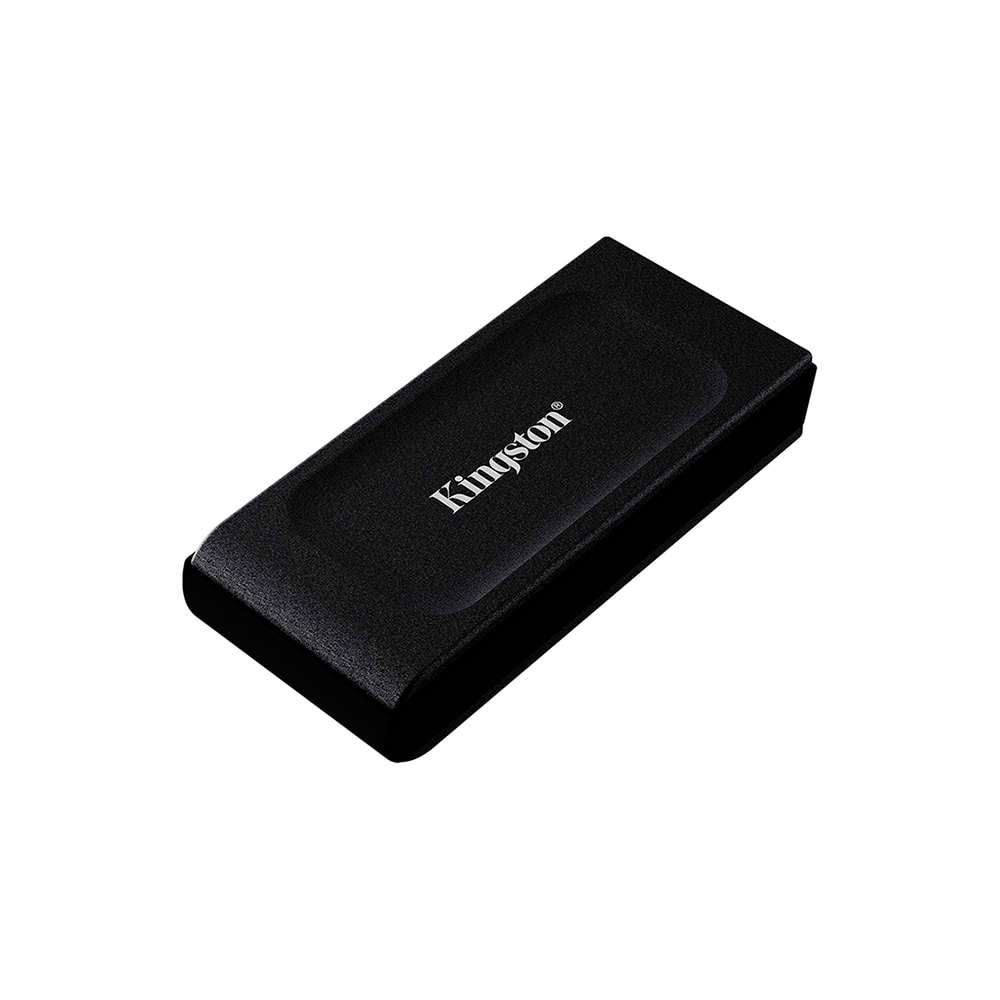
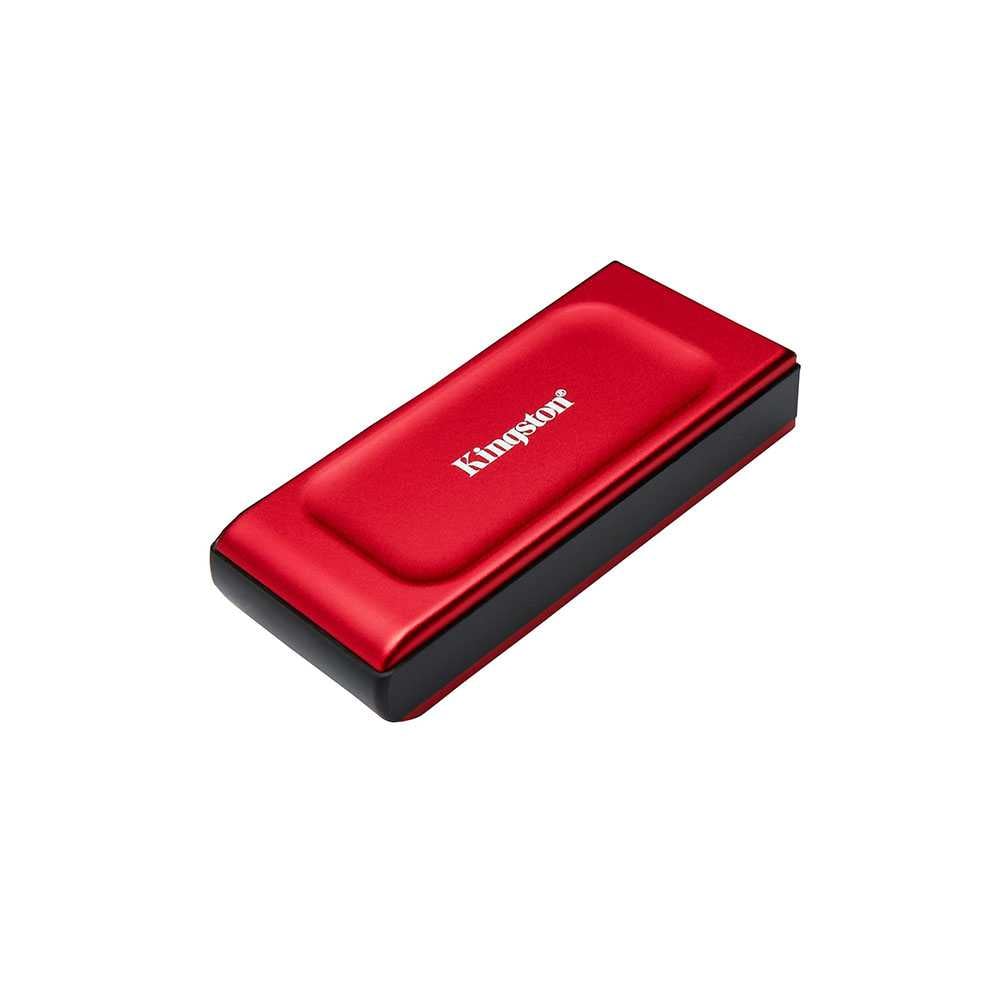
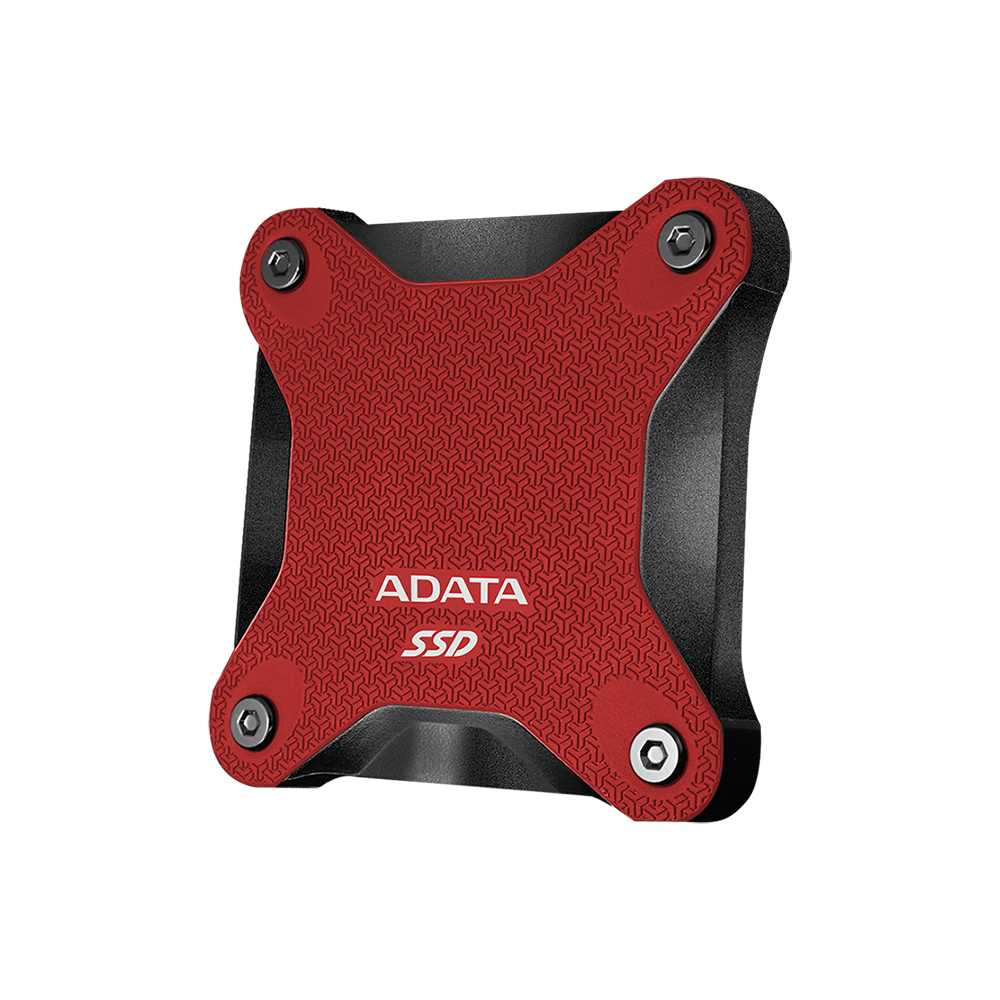
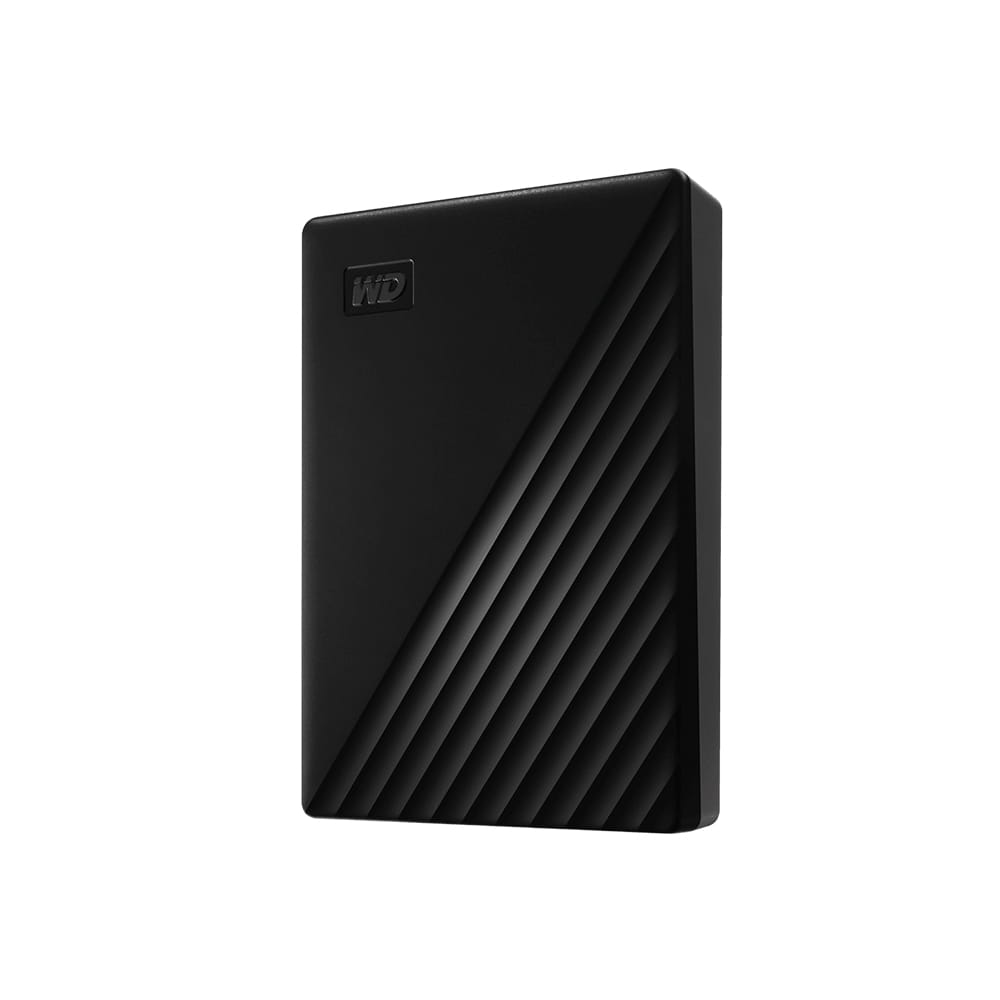
Western Digital/Sandisk
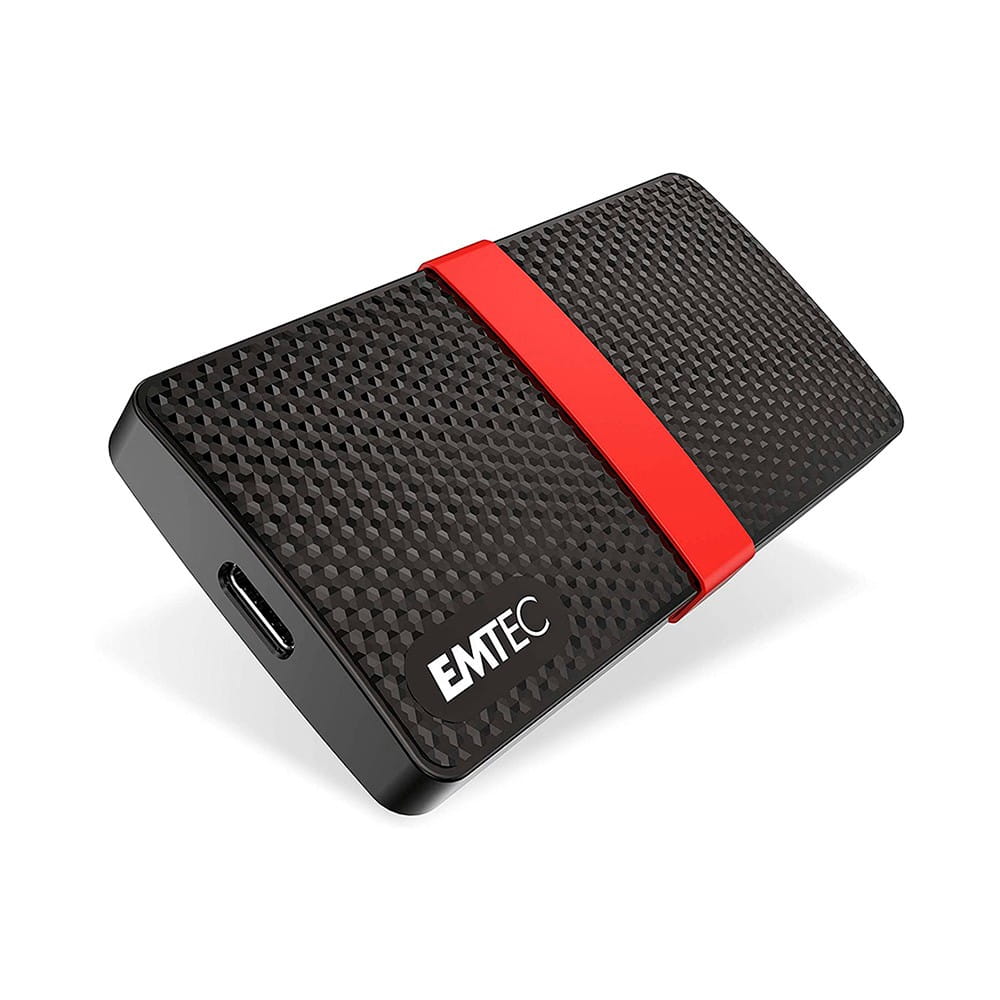
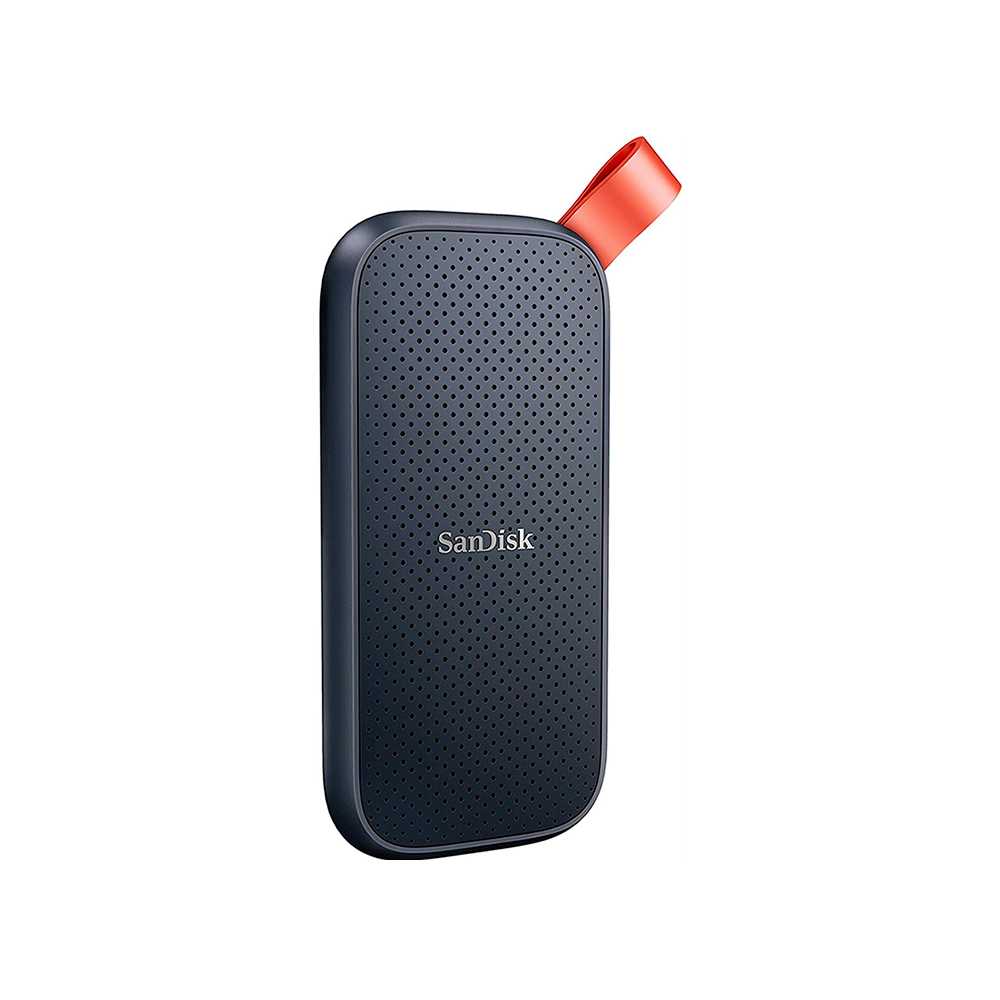
Sandisk Portable SSD 480Gb USB 3.2 Negro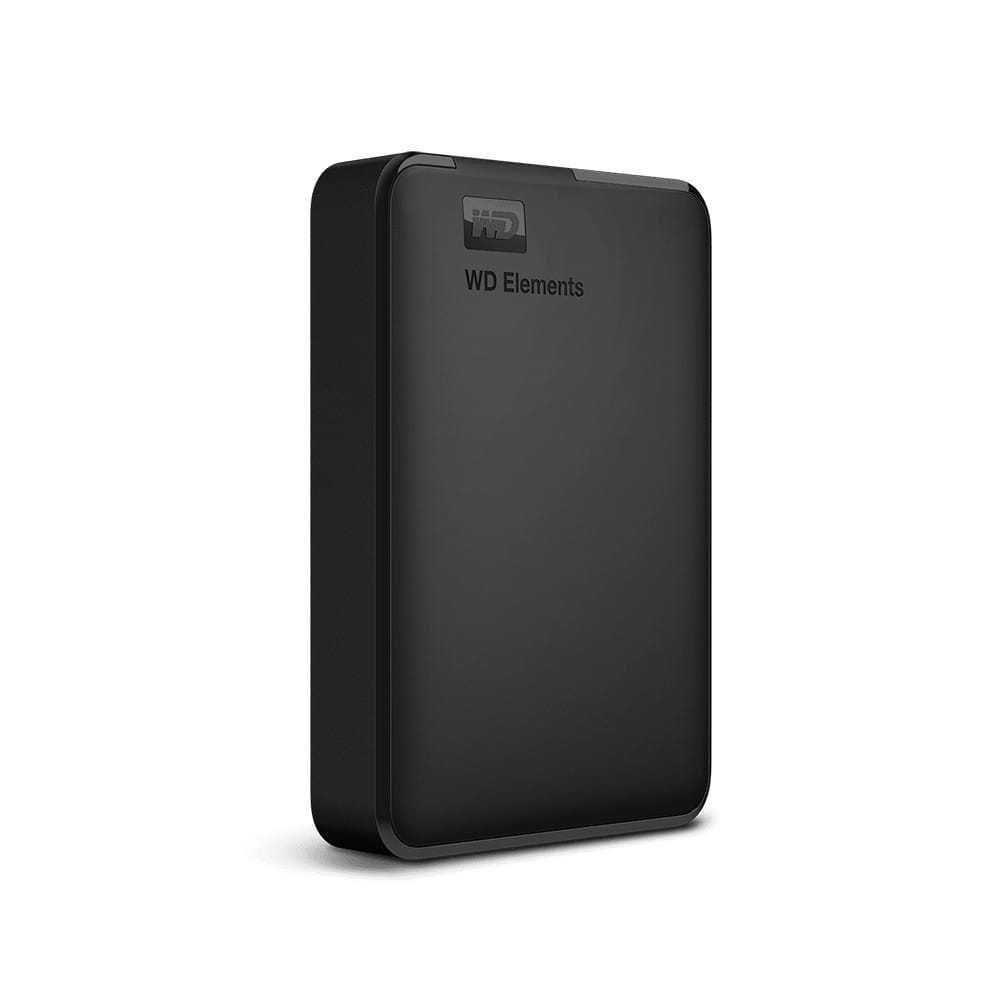
External hard drives
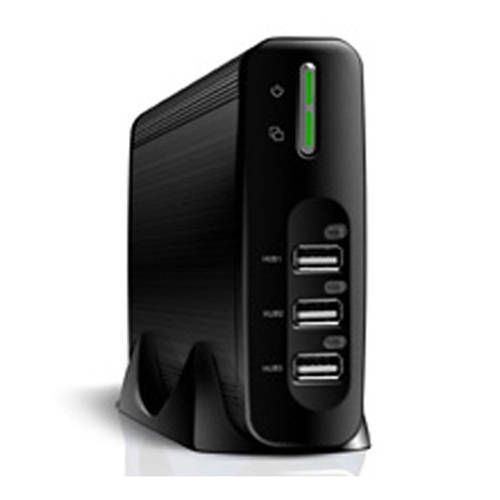
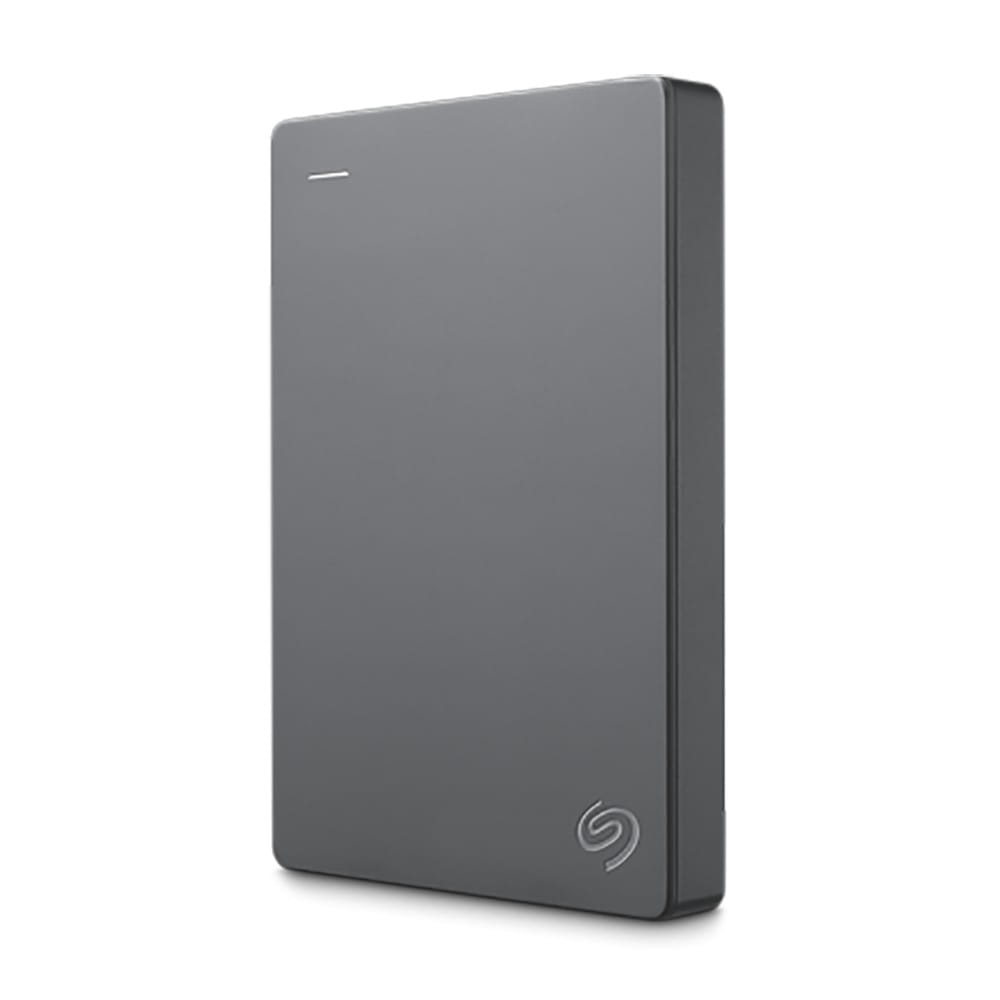
External hard drivesoffer an immediate and portable solution for storing our computer or simply if we are looking to make a backup copy. External hard drives are also excellent companions when we need to carry important large files from one place to another.
Imagine that you need to take all your movies to a friend's house to watch them with them or that you have to take all the raw videos from your last job to edit them somewhere else, this type of situation is where the advantages of a good external hard drive.
How do external hard drives work?
Inside the plastic or metal cases that protect these types of hard drives, a hard drive looks exactly like the one you would find in a computer case. Instead of being connected directly through a SATA III cable to the motherboard, It comes ready to connect using a USB 3.0 cable or a Thunderbolt cable.
In fact, if you want you can convert your internal hard drive by purchasing a hard drive enclosures and putting your hard drive in it. This is a very cheap solution and allows us to reuse hard drives that we are no longer using.
What is the data bus?
The data bus is the main difference between an internal hard drive and an external hard drive. Neither USB 3.0 nor Thunderbolt cables are as fast as SATA III, so data transfer is where performance will suffer the most.
Although, in theory, USB 3.0 cables are capable of reaching data transfer figures close to 5 Gb/s and SATA III cables reach 6 Gb/s, in practice these data are not real. Actually, USB cables don't usually reach 5 Gb/s when we test them.
In short, if what you are looking for is speed when transferring your data, the best option will always be to connect your hard drive internally through a SATA III cable. But if what you are looking for is mobility and being able to take your data everywhere, the best option will be an external hard drive.
This doesn't mean that today's external hard drives are slow. Compared to other external storage sources, external hard drives are the fastest available today.
USB 3.0 or FireWire?
Firewire was for a long time the type of connection preferred by professionals, since, compared to old USB, it was considerably faster, 6 Gb/s compared to 480 Mb/s for USB 2.0. But with the arrival of USB 3.0, which runs at a similar speed and is more standardized, it has fallen into disuse. With the introduction of USB 3.0 and USB 3.1, both FireWire and Thunderbolt have become obsolete for the most current equipment due to their speed and USB has taken the throne in terms of standardization.
However, owners of legacy systems still prefer to purchase FireWire or Thunderbolt external hard drives when they need to expand their storage. In addition, FireWire allows you to make daisy chain connections that USB cables are not capable of, so it is a point to keep in mind.
External or internal hard drive?
Each type of hard drive covers certain needs and an external hard drive is not capable of filling certain gaps that an internal one is capable of filling.
There are many examples of data that is better to have on an internal hard drive instead of an external hard drive, such as: the operating system, programs, video games and much more. A USB 3.0 cable tends to create bottlenecks with this type of data, so if you work with this type of data and need speed, rule out using this type of hard drive.
Virtually all external hard drives today are compatible with Windows and Mac without the need to format for these systems as in the past, so you can use them on computers of both types without problems.