Ram memory
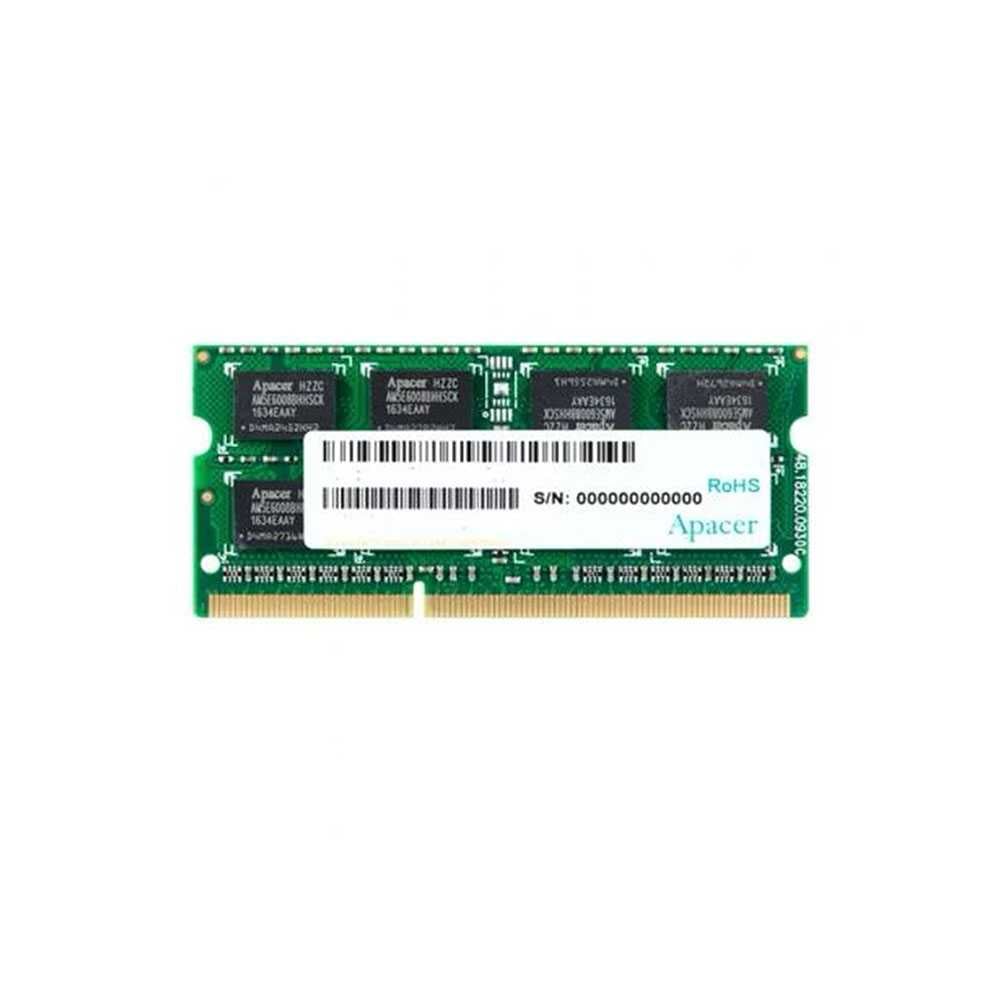
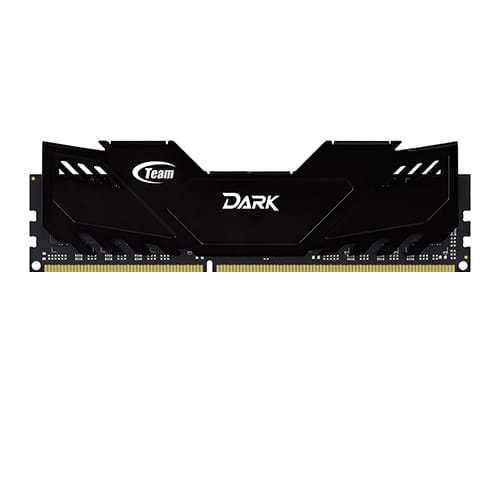
Team Group
Team Dark Black 4Gb DDR3 1600Mhz - REFURBISHED - REFURBISHED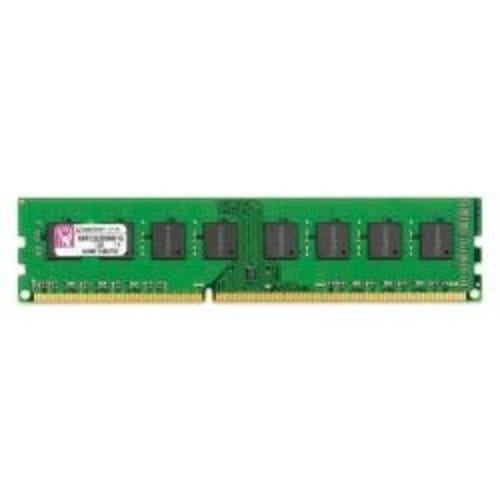
Kingston
Kingston 4Gb DDR3 1600Mhz 1.5V - REFURBISHED - REFURBISHED
Si-seleccion
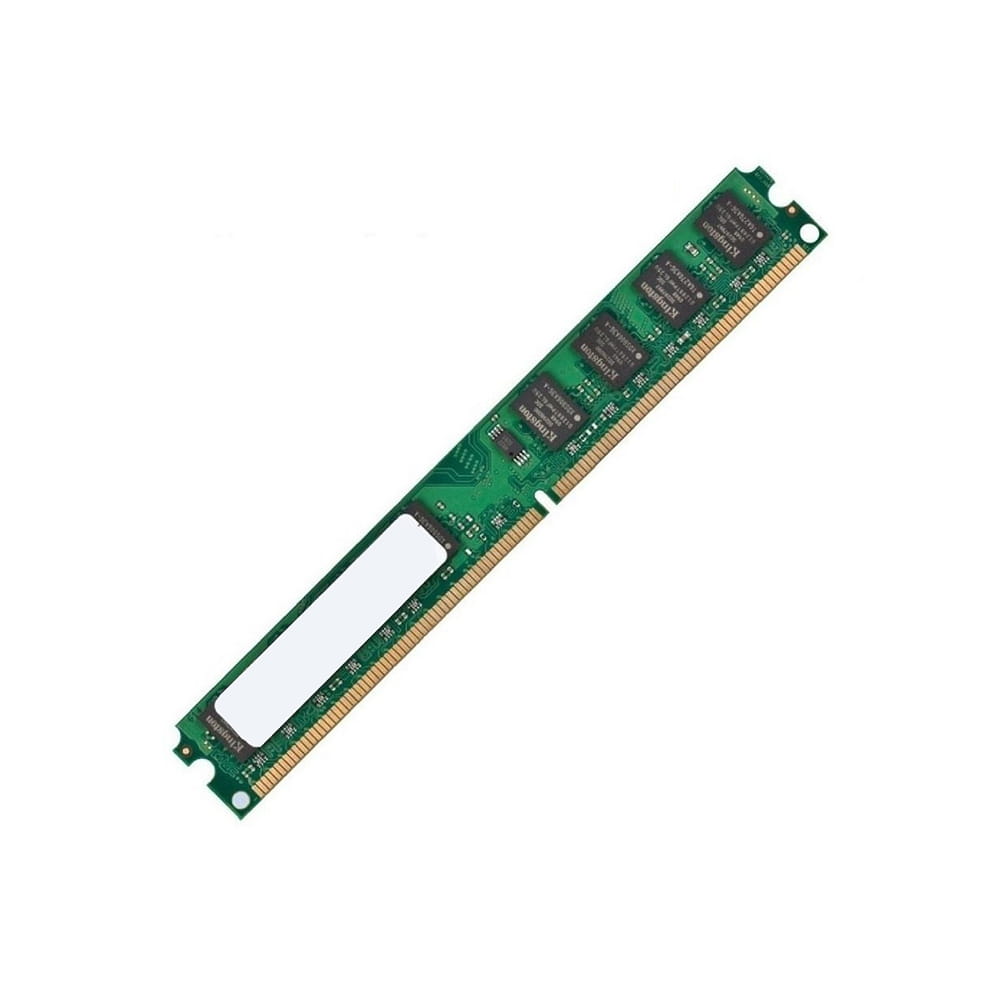
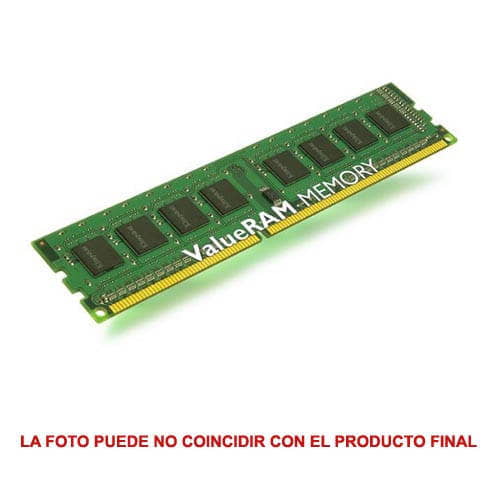
Memoria DDR-2 2Gb PC5400 667MHz ECC - REFURBISHED - REFURBISHED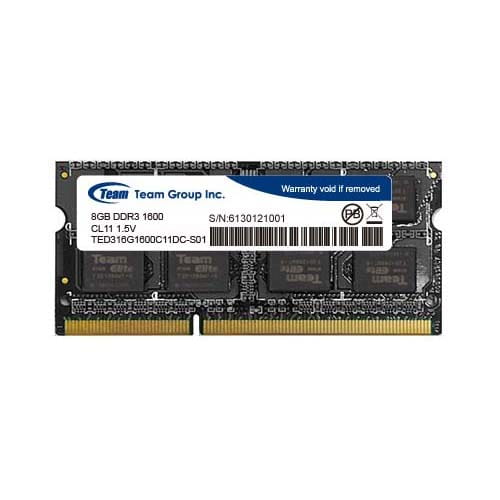
Si-seleccion
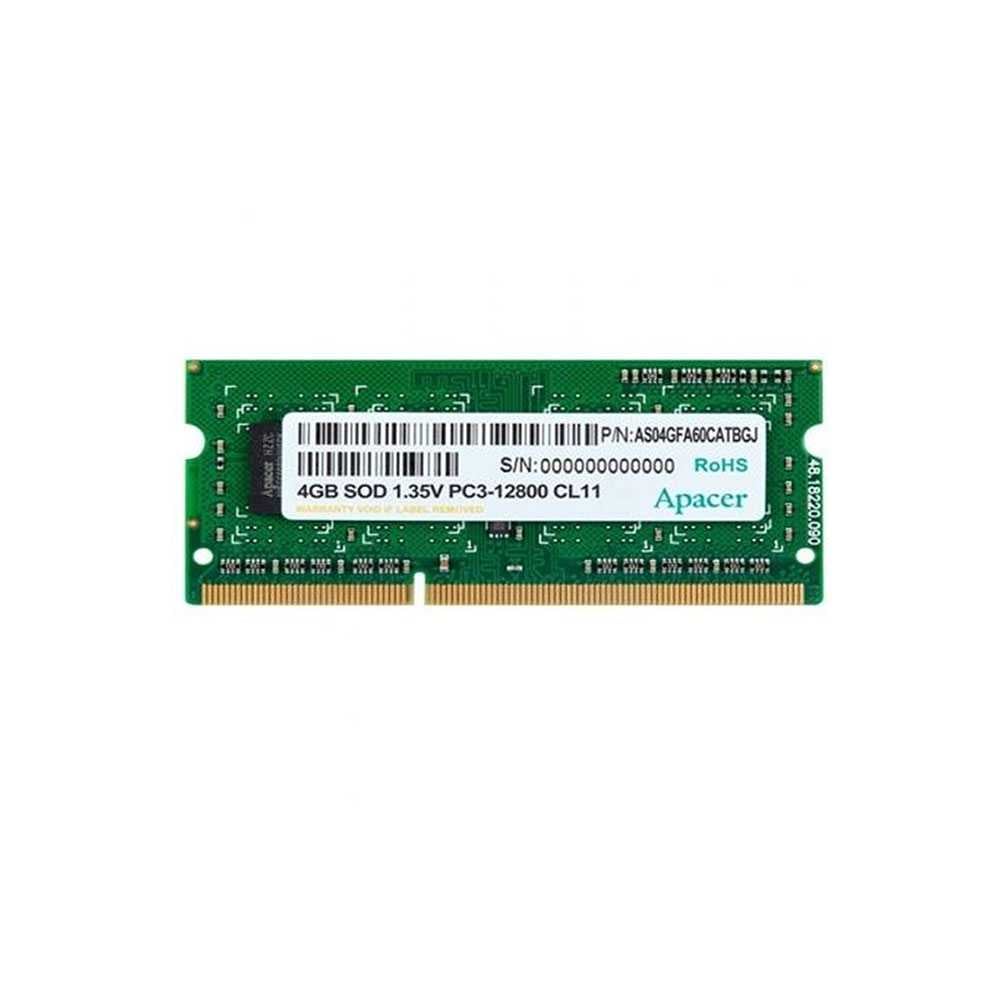
Memoria DDR-3 2Gb 1333MHz - REFURBISHED - REFURBISHED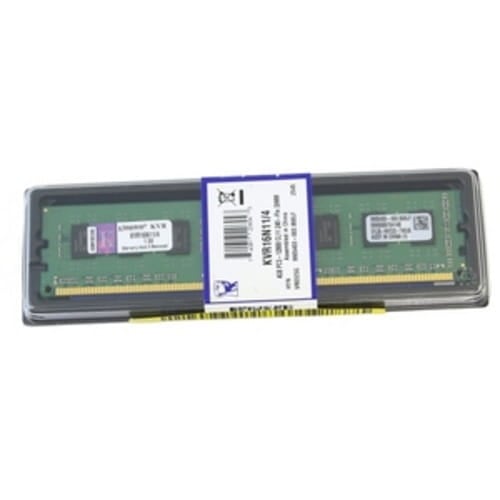
Kingston
Kingston 8Gb DDR3 1600MHz 1.5V - REFURBISHED - REFURBISHED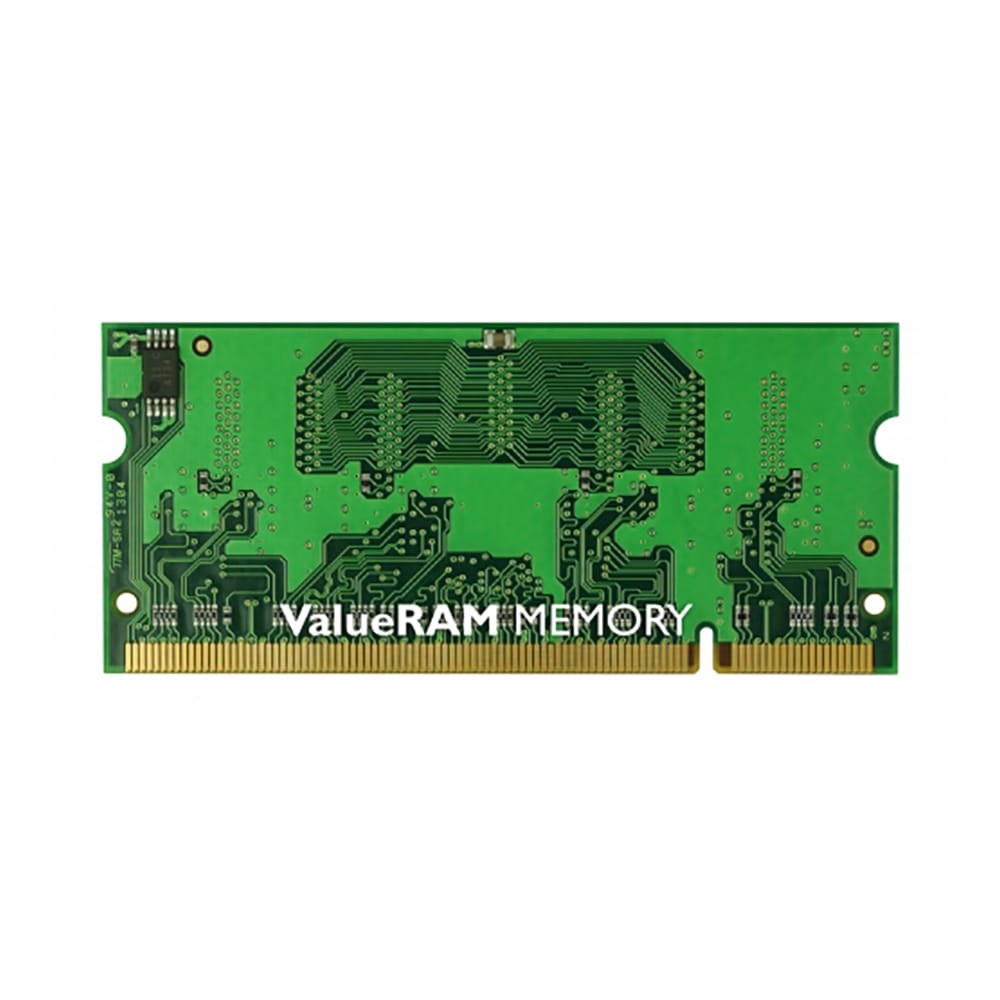
Kingston
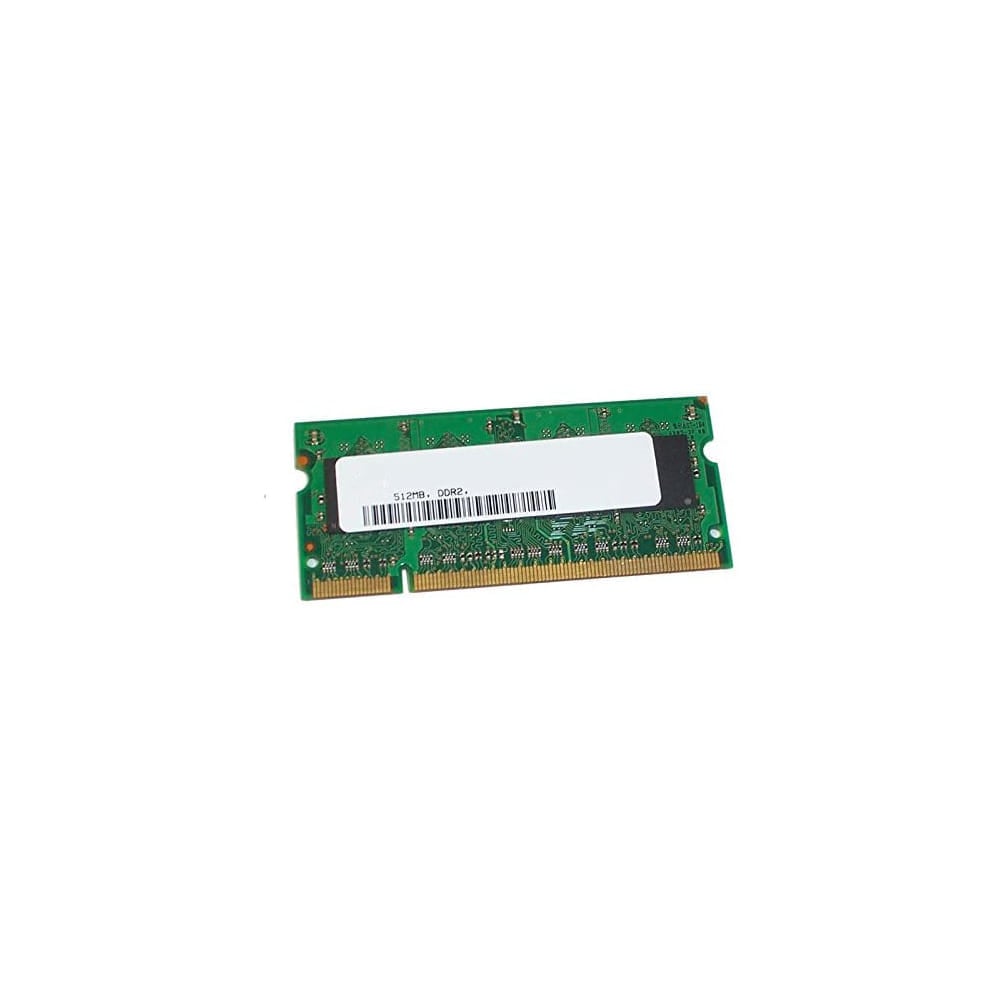
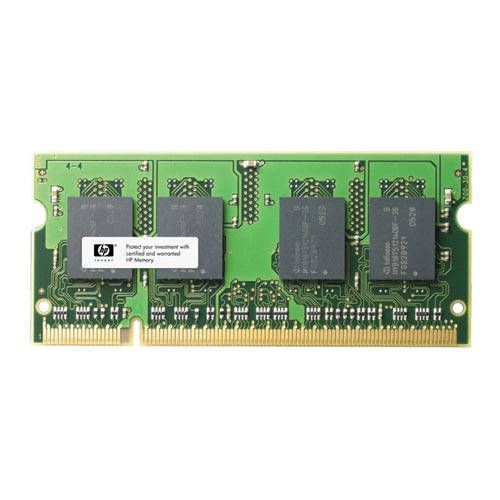
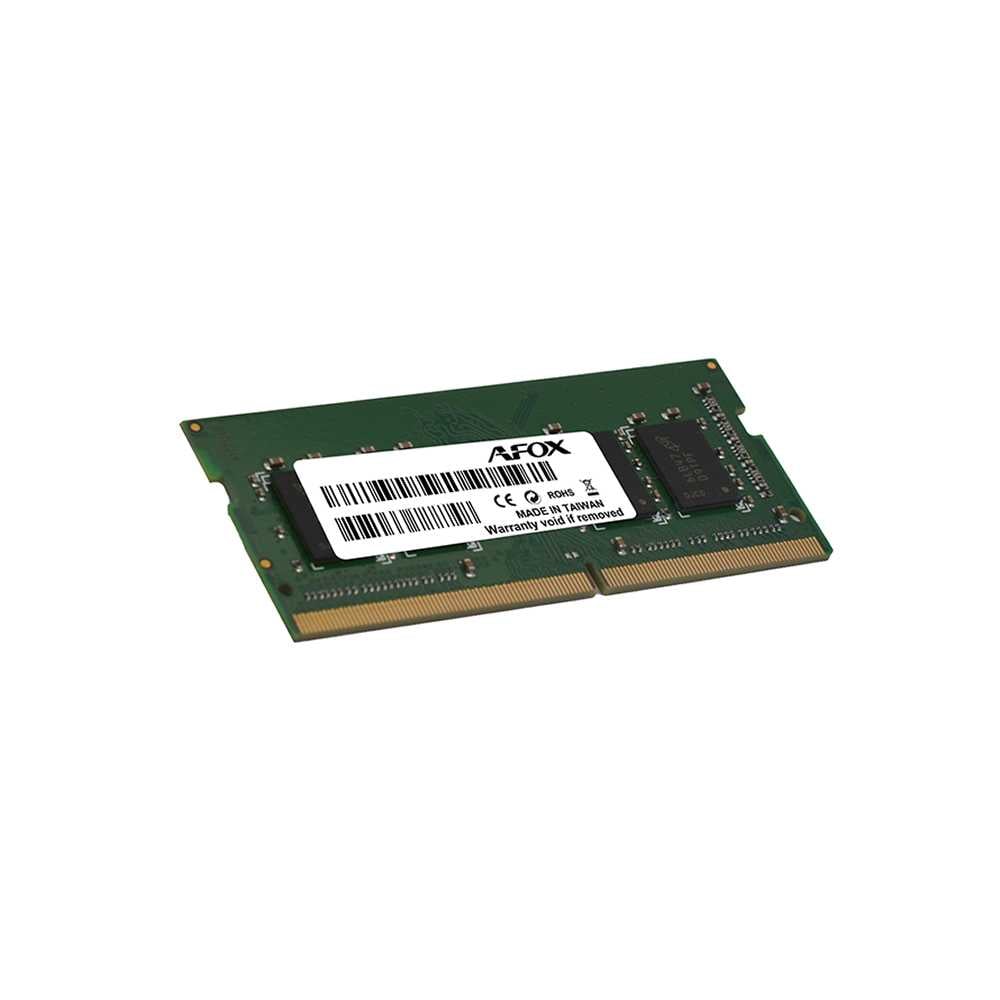
Kingston 2Gb SO-DIMM DDR-2 (portatil) 800MHz REFURBISHED - REFURBISHED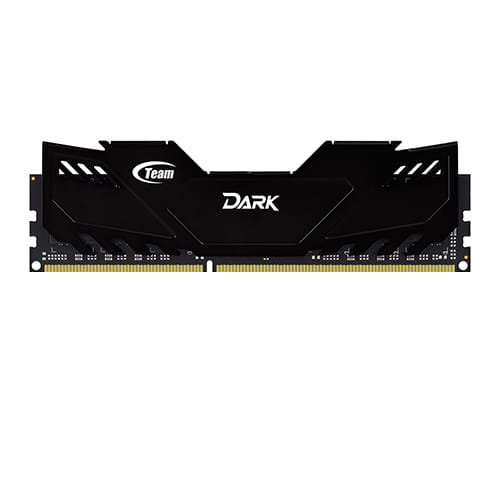
Team Group
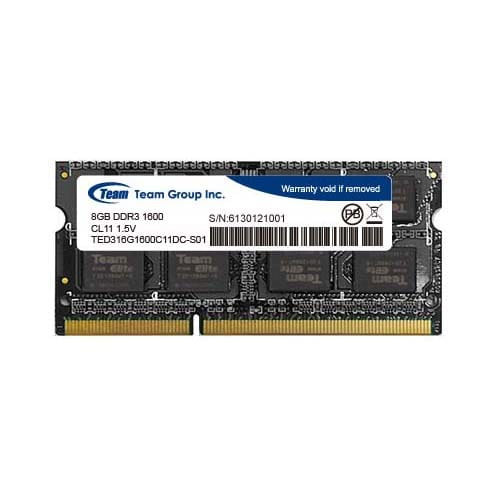
Team Dark Black 8Gb DDR3 1600Mhz 1.5V - REFURBISHED - REFURBISHED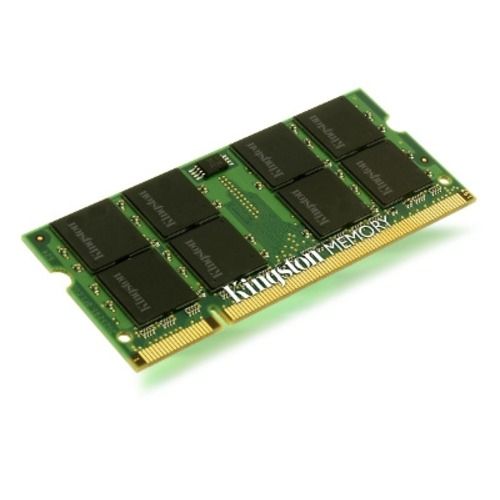
Team Group
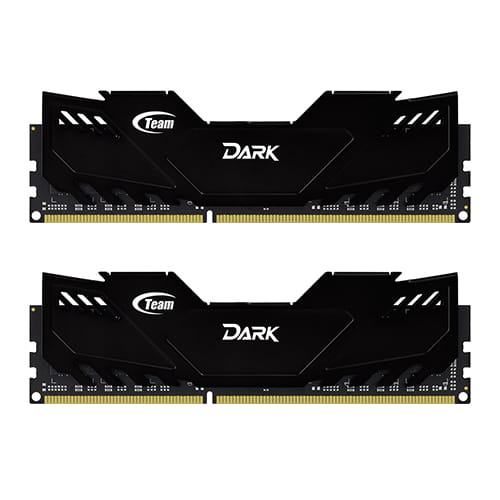
Team Dark Black 8Gb (2x4Gb) DDR3 1600Mhz - REFURBISHED - REFURBISHED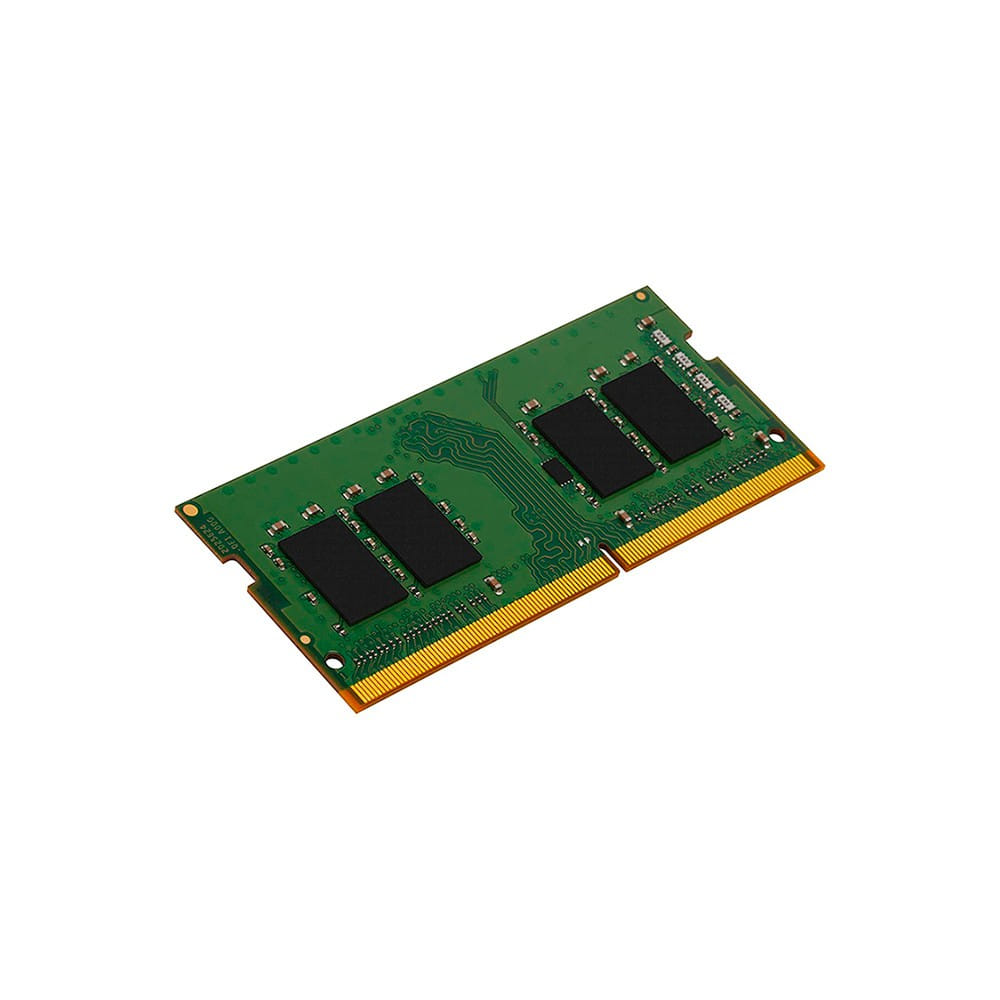
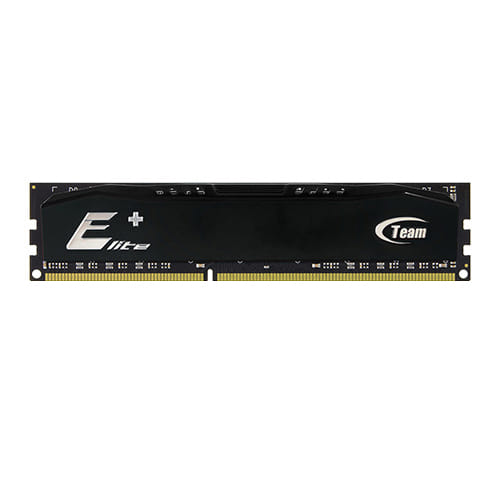
Team Group
Team Elite Plus Black 8Gb DDR3 1866Mhz 1.5V - REFURBISHED - REFURBISHED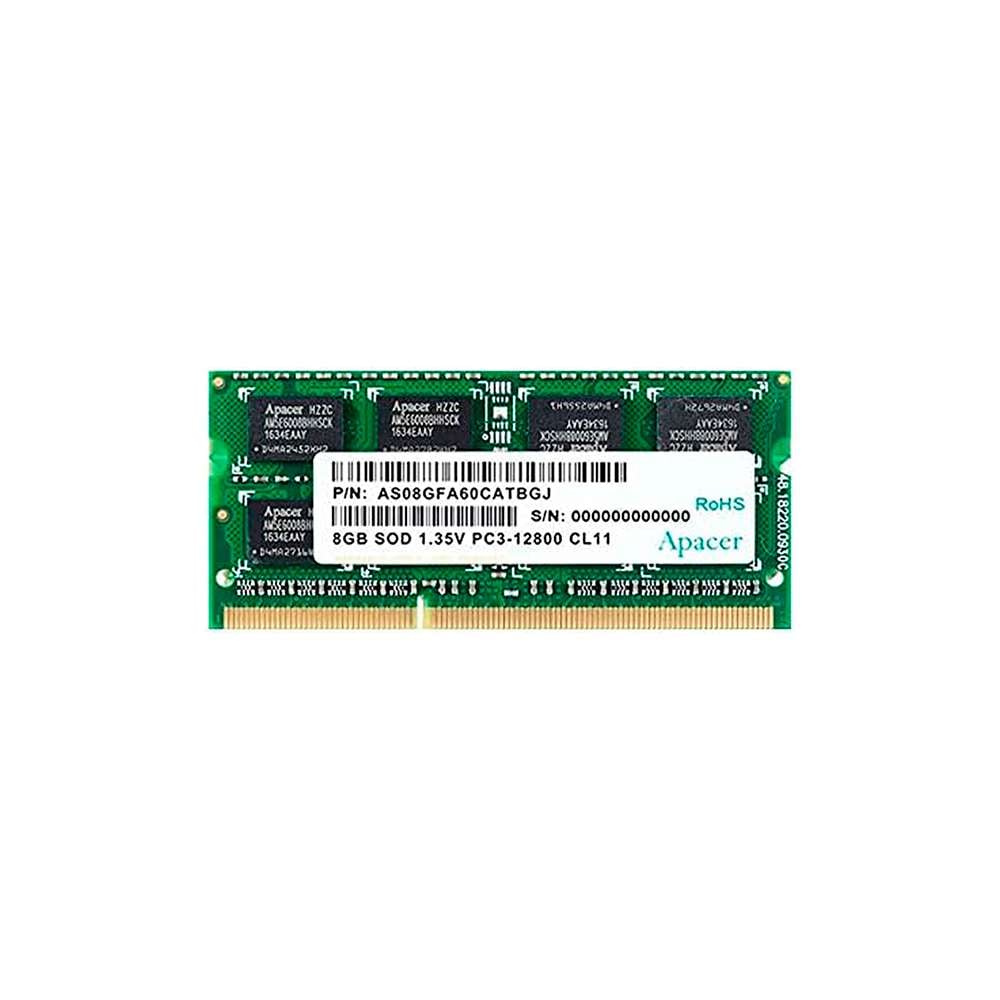
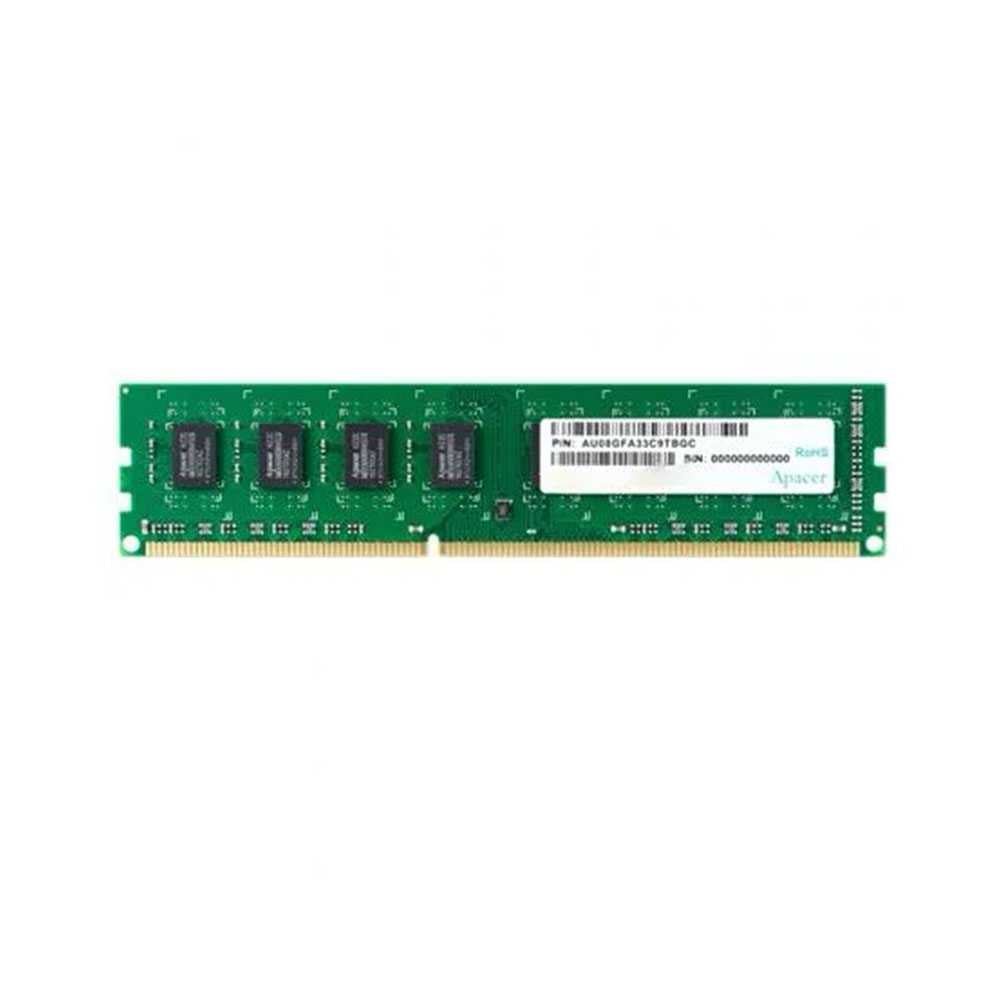
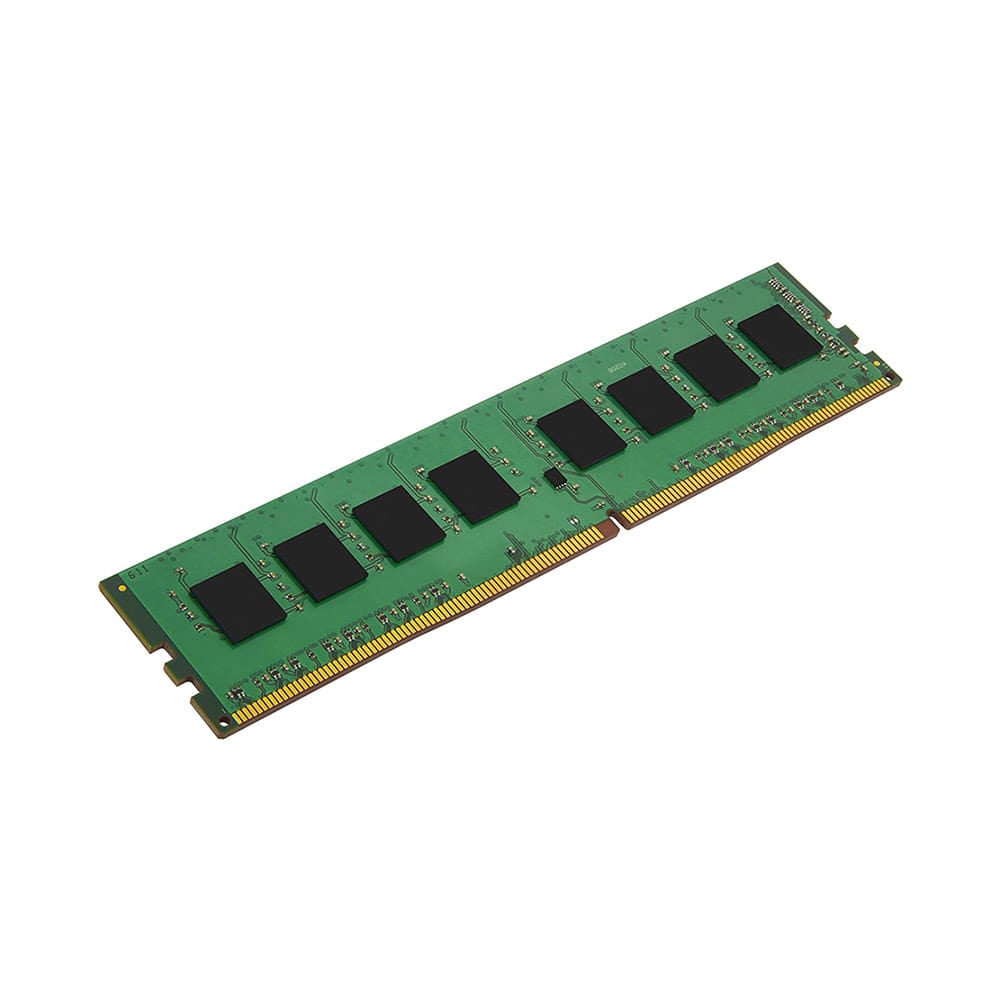
RAM Memory
Whether you are an expert or just getting started, understanding what RAM memory is and how it affects your computer is essential to get the most out of your system.
What Is RAM Memory?
RAM (Random Access Memory) is the space where your PC temporarily stores the data and instructions that the CPU needs to work. It is important not to confuse it with permanent storage such as SSD drives or USB sticks: RAM is fast and volatile, while storage is persistent.
Unlike older types of memory that accessed data sequentially, modern RAM accesses data randomly, making it much more efficient. It connects to the motherboard through DIMM (Dual Inline Memory Module) modules.
Adding more RAM is one of the easiest and most affordable upgrades you can make to your PC. More memory means more programs open simultaneously and smoother overall performance. If your system feels slow or applications frequently freeze, upgrading the RAM is often the most direct solution.
What Is DDR?
DDR (Double Data Rate) is the memory standard that doubles processing speed compared to previous generations. Since its introduction in 1996, it has evolved to the current DDR5, used in both system memory and graphics cards. Each generation — DDR3, DDR4, and DDR5 — improves performance and energy efficiency over the previous one.
What Is ECC Memory?
ECC (Error Checking and Correction) memory is a type of RAM designed to automatically detect and correct single-bit errors in real time, without the system noticing. If it detects a two-bit error, it reports it so corrective action can be taken before operations are compromised. These errors may be caused by electromagnetic interference, cosmic radiation, or simple component aging.
ECC is not a performance feature; it is a reliability guarantee. That is why processors such as Intel Xeon and AMD EPYC natively support this type of memory, and most server platforms require it.
Main features:
- Additional parity chip: An extra chip for every eight data chips to continuously verify data integrity.
- Single-bit error correction without operating system intervention or data loss.
- Two-bit error detection with system alert to act in time.
- Native compatibility with Intel Xeon and AMD EPYC; limited support on AMD Ryzen Pro and specific Intel Core chipsets.
- Minimal latency penalty: under 2%, practically unnoticeable.
- Higher cost than standard RAM, fully justified in critical data environments.
Types of ECC Memory
- UDIMM ECC (Unbuffered DIMM): No register between RAM and controller. The most affordable option, but it limits total system capacity. Common in mid-range workstations and entry-level servers.
- RDIMM ECC (Registered DIMM): Includes a register that reduces electrical load on the controller, allowing more modules and higher total capacity. Standard in professional servers and compatible with Intel Xeon Scalable and AMD EPYC.
- LRDIMM ECC (Load-Reduced DIMM): Uses buffers to consolidate electrical loads, reaching up to eight ranks per DIMM and enabling very high memory capacities with fewer physical modules. Ideal for high-density servers such as in-memory databases or large-scale analytics, although with slightly higher latency and power consumption.
When Do I Need ECC Memory?
ECC memory is essential in the following scenarios:
- Production servers operating 24/7.
- Virtualization environments using Proxmox, VMware, or Hyper-V.
- Critical databases where a single byte error can have serious consequences.
- Scientific computing, rendering, or engineering where precision is crucial.
- Mass storage systems and NAS that must maintain long-term data integrity.
- Cybersecurity and forensic analysis, where data reliability is fundamental.
If your usage is home or gaming, standard RAM is perfectly adequate. If you work with critical data or in production environments, ECC memory is not a luxury — it is a necessity.